Blog
Why Cork Products Are a Smart Choice for Sustainable Retailers

For retailers, choosing which products deserve space on the shelves is about more than following trends.
A successful product range needs to combine design, functionality, quality and a compelling story, while also responding to changing customer expectations.
This is where cork can offer an interesting opportunity.
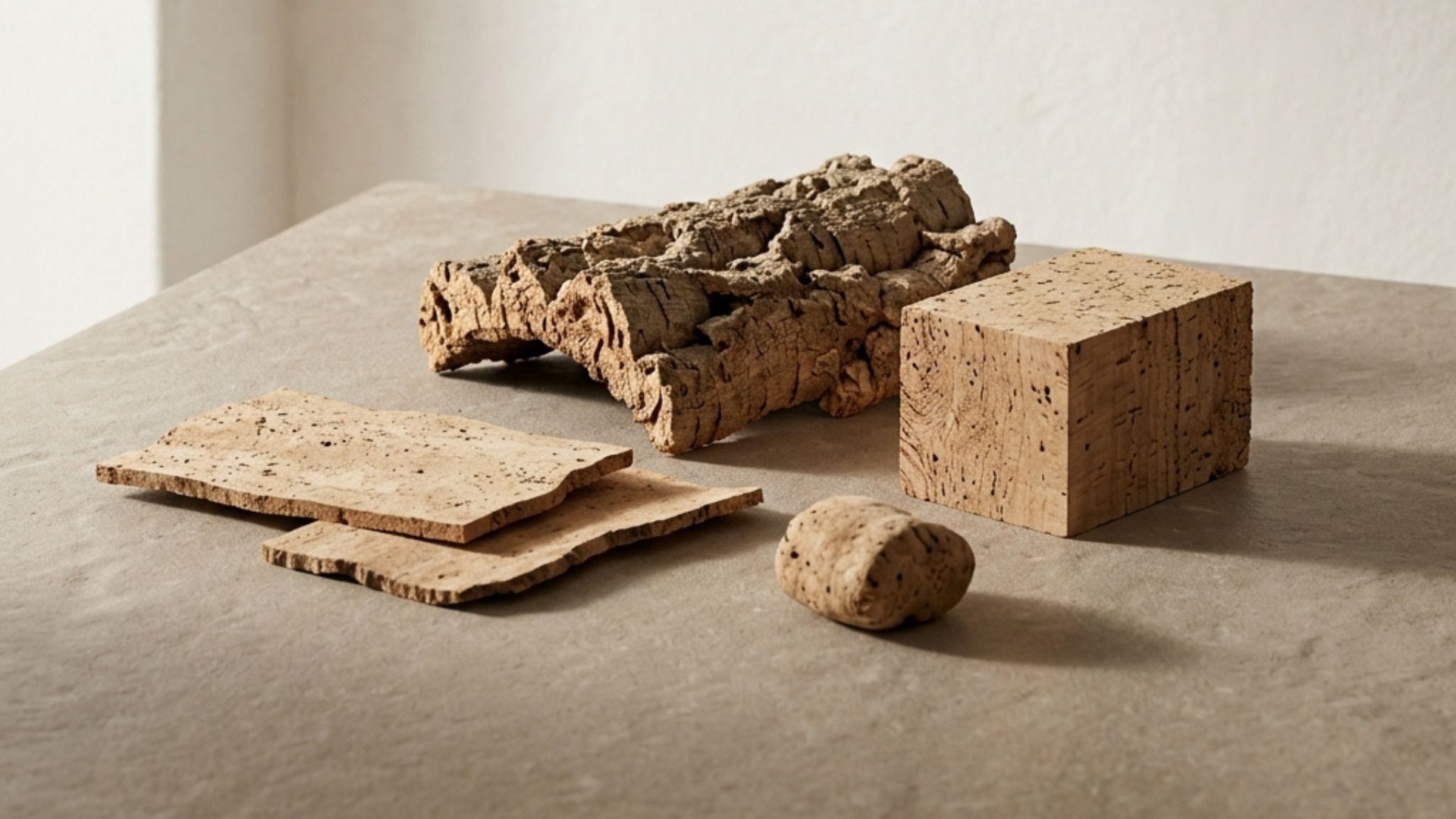
Natural, lightweight and distinctive, cork has evolved far beyond its traditional uses. Today, it can be found in fashion accessories, bags, wallets, lifestyle products, gifts and everyday items, offering retailers an alternative material with a strong connection to nature and craftsmanship.
For sustainable retailers, concept stores, gift shops and businesses looking to differentiate their assortment, cork products can be a valuable addition to the product mix.
1. Cork gives retailers a product with a story
In retail, the story behind a product can be just as important as the product itself.
Cork has a particularly strong story.
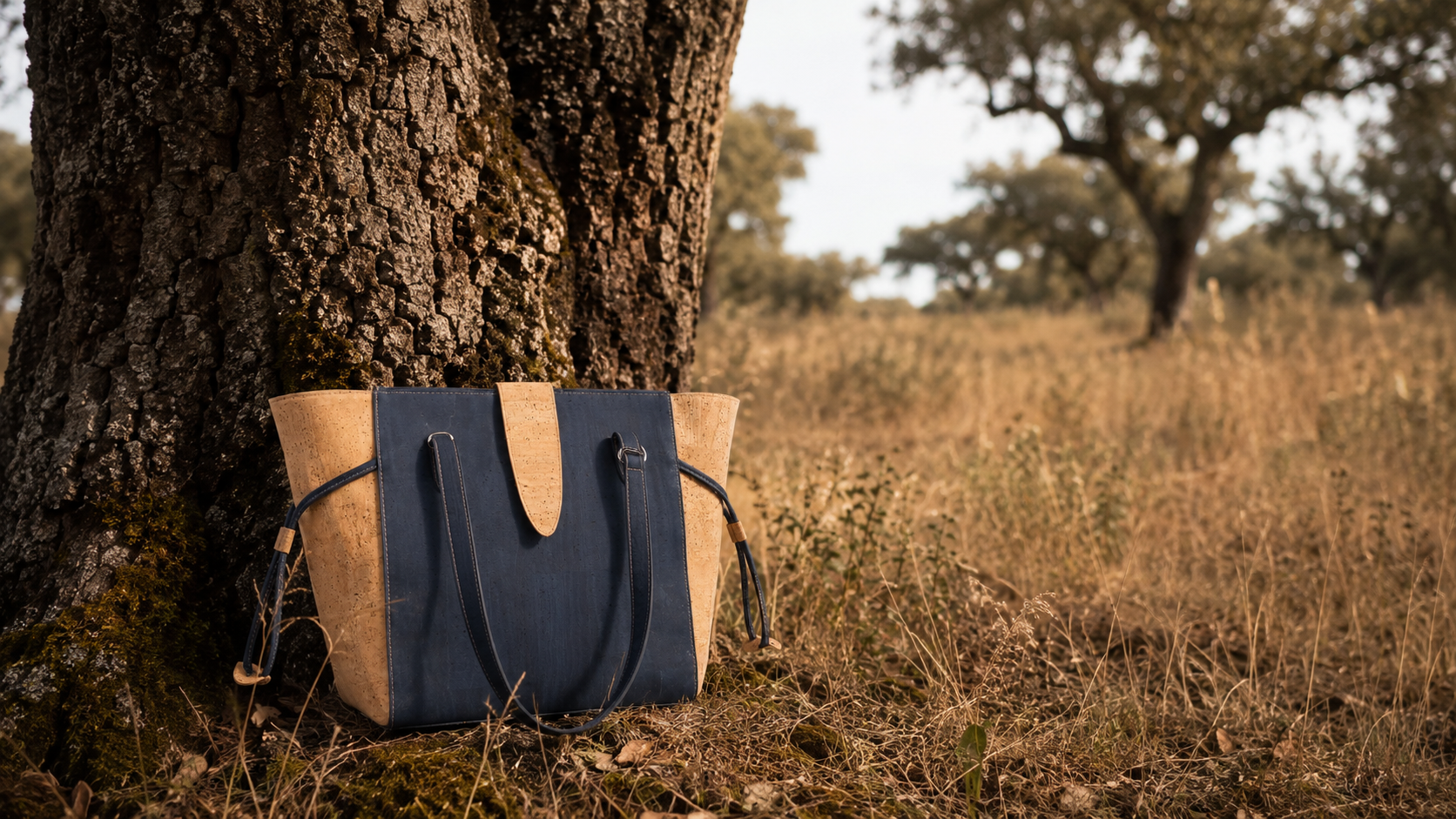
Harvested from the bark of the cork oak tree without cutting down the tree, cork is deeply connected to the landscapes and traditions of Portugal and other Mediterranean regions.
For retailers, this creates an opportunity to offer products that customers can discover and understand.
A cork bag is not simply another accessory. It can introduce customers to a natural material, Portuguese craftsmanship and a different approach to product design.
This is especially relevant for concept stores, museum shops, tourist retailers and independent stores where product storytelling plays an important role in the shopping experience.
2. Cork offers an alternative to conventional materials
Retailers today have an increasingly broad choice of materials and products.
Cork offers something different.
Its natural texture, distinctive appearance and versatility allow it to be used across a wide range of products, from handbags and wallets to accessories, gifts and lifestyle items.
For a retailer, introducing cork products can therefore be a way to diversify an existing assortment without moving too far away from established categories.
For example, a fashion boutique can introduce cork handbags and accessories, while a gift shop can explore smaller cork products suitable for gifting.
The material itself becomes part of the product’s identity.
3. Cork can help a store stand out
Product differentiation is one of the biggest challenges for independent retailers.
Customers have access to an enormous number of products online and in physical stores. Offering something distinctive can give a retailer a reason to attract attention and start a conversation.
Cork naturally has that visual difference.
Its texture and organic appearance immediately distinguish it from many conventional materials. When combined with contemporary design, it can create products that feel both familiar and unexpected.
For retailers, this can be particularly useful when building an assortment around a clear identity, whether that identity is sustainable living, Portuguese design, natural materials, travel, fashion or conscious consumption.
4. Cork works across different retail categories
One of the advantages of cork is its versatility.
It does not belong exclusively to one type of store or customer.
Depending on the design and product category, cork can work particularly well in:
- Sustainable and eco-conscious stores
- Concept stores
- Fashion boutiques
- Museum and cultural shops
- Tourist and souvenir stores
- Gift shops
- Lifestyle retailers
- Portuguese and European design stores
- Travel-related retail
- Independent speciality stores
This versatility gives buyers more flexibility when building a product assortment.
Instead of treating cork as a single niche category, retailers can use it across several complementary product groups.
5. Cork products can combine design and functionality
Sustainability alone does not make a product successful in retail.
Customers still expect products to be attractive, practical and well made.
This is one of the reasons cork is particularly interesting as a material.
Cork is naturally lightweight and has a distinctive tactile quality. When transformed into well-designed products, it can combine visual appeal with everyday functionality.
For retailers, this matters because the product needs to work beyond the sustainability message.
A customer should want the product because it looks good and serves a purpose with the material adding an additional reason to choose it.
6. Cork is particularly interesting for destination retail
For stores located in tourist destinations, product selection often needs to fulfil two roles.
It needs to be appealing as a product, but it can also represent a place.
Cork is strongly associated with Portugal, making it a natural fit for retailers looking for products with a Portuguese identity.
A well-designed cork accessory can therefore function as more than a souvenir.
It can be a contemporary product that allows visitors to take a piece of the Portuguese landscape and craftsmanship home with them.
This creates opportunities for retailers in destinations such as Lisbon, Porto and other Portuguese tourist locations, as well as international stores specialising in Portuguese or European products.
7. A sustainable product still needs commercial value
For buyers, sustainability cannot be the only consideration.
A product needs to make commercial sense.
That means considering factors such as:
- Product design
- Perceived value
- Quality
- Functionality
- Price positioning
- Customer appeal
- Product differentiation
- Variety within the collection
- Reliability of supply
Cork can be an interesting material precisely because it can bring together several of these elements.
The natural material provides a strong story, while contemporary design can make the final product relevant to modern retail environments.
The result is an opportunity to offer customers something different without compromising on aesthetics or everyday usability.
8. Why retailers should consider cork as part of their assortment
For a retailer, introducing a new material is ultimately about answering one question:
Will this product give my customers a reason to choose it?
Cork can provide several answers at once.
It offers a distinctive material, a strong connection to Portugal, an interesting sustainability story and the versatility to appear across different product categories.
For independent retailers and concept stores in particular, these characteristics can help create a product assortment that feels curated rather than generic.
And that is increasingly important in a retail environment where customers are not only buying products, they are also looking for stories, experiences and products that reflect their values.
Cork and the future of sustainable retail
The future of retail is not simply about selling more sustainable products.
It is about selecting products that combine responsible materials with good design, practical use and a story customers can connect with.
Cork offers retailers an opportunity to explore exactly that combination.
At Artelusa, we work with cork to create contemporary products designed for everyday life, bringing together the natural character of Portuguese cork with functional and timeless design.
For retailers looking to introduce distinctive, sustainable and design-led products to their assortment, cork is a material worth exploring.
Sometimes, the best way to make a product stand out is to start with a material that already has a story.