Blog
How Cork Is Harvested: A Tradition That Protects Nature


Cork harvesting is one of the world’s most remarkable examples of sustainable forestry. Unlike timber, it doesn’t require cutting down the tree. Instead, skilled harvesters carefully remove the outer bark of the cork oak, allowing it to regenerate naturally over time.
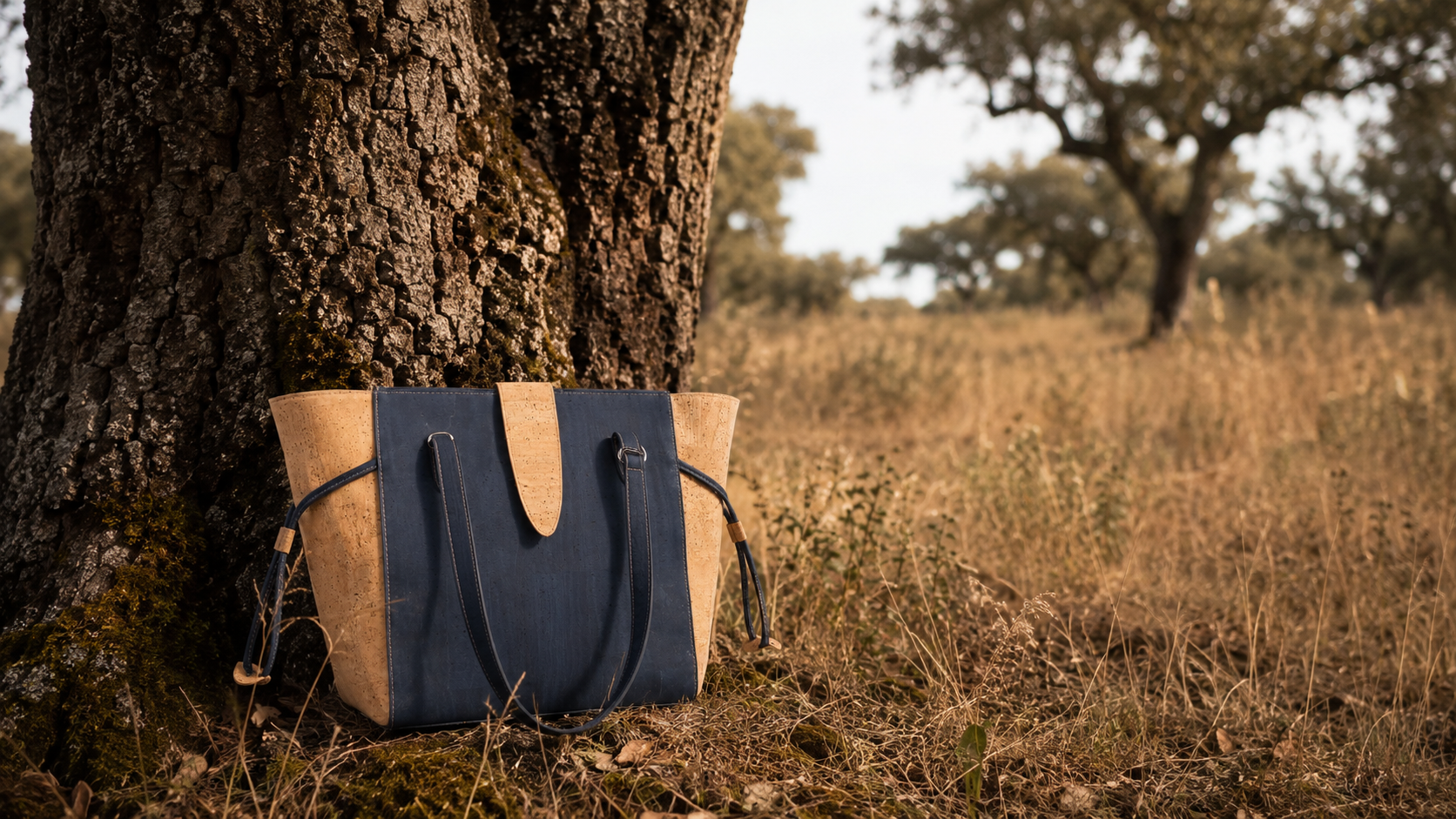
This centuries-old tradition has shaped Portugal’s landscapes, supported local communities and produced one of the world’s most sustainable natural materials. Every cork bag, wallet or accessory begins with this careful process, which balances craftsmanship with respect for nature.
But how does cork harvesting actually work? Let’s explore the tradition that makes Portuguese cork so unique.
Key Takeaways
- Cork harvesting never involves cutting down the tree.
- The bark naturally regenerates after every harvest.
- Cork is harvested approximately every nine years.
- Portugal produces more than half of the world’s cork.
- Sustainable cork harvesting helps preserve biodiversity and protect cork oak forests.
What Is Cork and Why Does Cork Harvesting Matter?
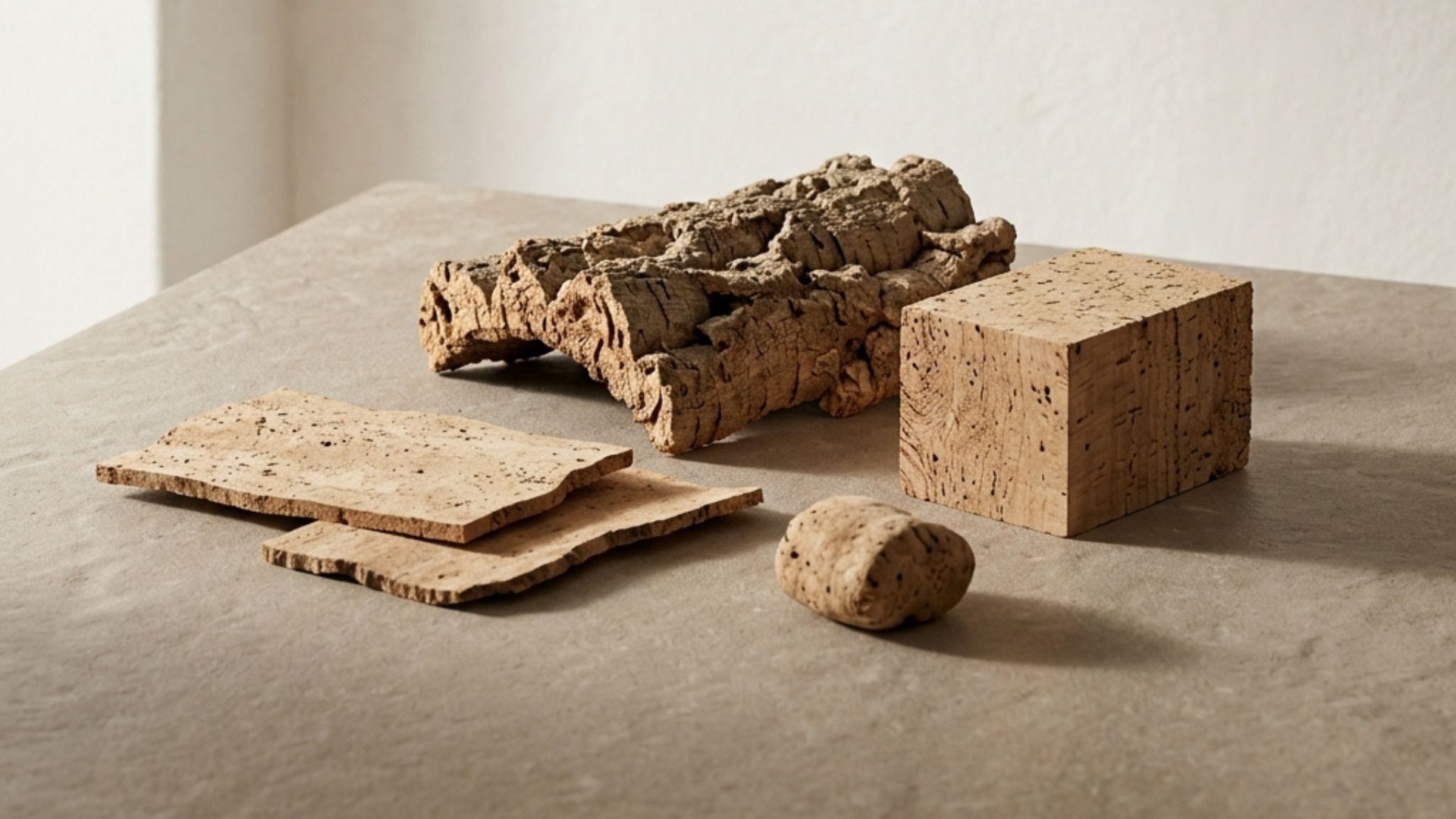
Cork is the outer bark of the cork oak (Quercus suber), a tree native to the western Mediterranean. Portugal is home to the world’s largest cork oak forests and is responsible for more than half of global cork production.
Unlike many natural materials, cork can be harvested repeatedly from the same tree for well over a century. This makes it one of the few renewable materials that can be used without harming the tree itself.
If you’d like to learn more about cork’s environmental benefits, read our article Why Portuguese Cork Is One of the World’s Most Sustainable Materials.
Cork Harvesting Begins with Patience
Nature sets its own pace, and cork harvesting is no exception.
A cork oak must grow for around 25 years before it is ready for its first harvest. Even then, the initial layer of cork is too irregular for most fashion products.
Only after several harvesting cycles does the bark develop the quality needed for premium accessories such as bags, wallets and small leather goods.
This long waiting period reflects the unique relationship between people and nature. Instead of forcing production, cork harvesting respects the natural rhythm of the tree.
When Does Cork Harvesting Take Place?
The cork harvesting season usually runs from June to August.
During the warmer months, the bark naturally separates from the trunk, making it possible to remove it safely without damaging the living layer beneath.
Harvesting outside this period could harm the tree. For that reason, experienced harvesters carefully follow nature’s calendar and only work during the appropriate season.
Timing is just as important as technique.
Who Carries Out Cork Harvesting?
Cork harvesting remains one of Portugal’s most specialised rural professions.
Experienced harvesters spend years learning how to remove the bark using a traditional axe. Every movement requires accuracy and experience.
If the cut is too shallow, the harvest becomes less productive. If it is too deep, the living layer beneath the bark could be damaged.
Because of this, cork harvesting continues to be a skill passed from one generation to the next.
Behind every Zolla accessory lies decades of craftsmanship and knowledge.
Cork Harvesting Step by Step
Preparing the Tree
Before harvesting begins, each cork oak is carefully inspected.
Only healthy trees that have completed their natural regeneration cycle are selected.
This ensures both the quality of the cork and the long-term health of the forest.
Making the First Cut
The harvester makes a precise vertical cut in the outer bark using a specialised axe.
The objective is simple but requires considerable expertise: remove only the bark while leaving the living tissue untouched.
Removing the Cork
Once loosened, the bark is gently lifted away in large sheets.
These natural panels preserve the unique texture and grain that later make every cork product one of a kind.
Watching the process is remarkable because the tree remains standing, healthy and alive.
Marking the Tree
After harvesting, workers paint a number on the trunk.
This number represents the year of the harvest and indicates when the tree will be ready again.
For example, a tree marked with 5 was harvested in 2025.
Natural Regeneration
Once harvesting is complete, the cork oak immediately begins producing a new protective layer of bark.
Over the following years, this bark slowly regenerates until it is ready for the next harvest.
The cycle then repeats itself approximately every nine years.
Does Cork Harvesting Harm the Tree?
This is the question people ask most often.
The answer is simple: no.
When experienced professionals carry out cork harvesting correctly, the tree remains healthy and continues to grow.
In fact, harvesting stimulates the tree to regenerate fresh bark.
Some cork oaks continue producing cork for more than 150 years, making them one of nature’s most extraordinary renewable resources.
Very few natural materials can match this lifespan.
Why Cork Harvesting Is So Sustainable
The sustainability of cork begins long before it reaches a workshop.
Because cork harvesting preserves the tree, cork oak forests continue delivering environmental benefits year after year.
These forests:
- absorb carbon dioxide;
- support hundreds of animal and plant species;
- help prevent soil erosion;
- reduce the risk of desertification;
- protect traditional rural landscapes;
- support local communities and skilled craftspeople.
Choosing cork therefore means supporting much more than a natural material.
It also helps protect one of Europe’s richest ecosystems.
According to the Portuguese Cork Association (APCOR), Portugal’s cork oak forests play a vital role in biodiversity conservation and carbon storage.
Likewise, the Forest Stewardship Council (FSC) promotes responsible forest management that helps ensure these forests remain healthy for future generations.
Did You Know?
- A cork oak must be around 25 years old before its first harvest.
- Cork harvesting takes place approximately every nine years.
- Some cork oak trees live for more than 200 years.
- Portugal produces over 50% of the world’s cork.
- Every piece of cork used by Zolla comes from a living tree that continues to grow after harvesting.
Why Cork Harvesting Matters at Zolla
Every Zolla accessory begins with a remarkable natural process.
Before a bag or wallet reaches our workshop, skilled harvesters have already carried out one of the world’s most sustainable forestry traditions.
By choosing Portuguese cork, we celebrate responsible sourcing, exceptional craftsmanship and timeless design.
Every collection reflects our commitment to creating products that respect both people and the planet.
Frequently Asked Questions
Does cork harvesting damage the tree?
No. Skilled harvesters remove only the outer bark, allowing the tree to regenerate naturally.
Why is cork harvested every nine years?
The tree needs time to produce a new layer of bark that is thick and strong enough for harvesting.
Why is Portugal famous for cork?
Portugal has the ideal climate, centuries of expertise and the world’s largest cork oak forests, making it the leading producer of premium cork.
How long does a cork oak live?
Many cork oaks live for more than 200 years and continue producing cork for around 150 years.
Is cork harvesting environmentally friendly?
Yes. Cork harvesting preserves the tree, protects biodiversity and supports responsible forest management.
Final Thoughts on Cork Harvesting
Cork harvesting is much more than an agricultural practice. It is a living tradition that demonstrates how nature and craftsmanship can work together sustainably.
Instead of exhausting natural resources, this centuries-old process allows cork oak trees to regenerate while continuing to support biodiversity, rural communities and responsible manufacturing.
At Zolla, we are proud to work with Portuguese cork because every accessory carries this story of sustainability, craftsmanship and respect for nature.
Choosing cork means choosing a material that honours the past while helping to build a more sustainable future.