Blog
From Forest to Fashion: The Journey of a Portuguese Cork Bag

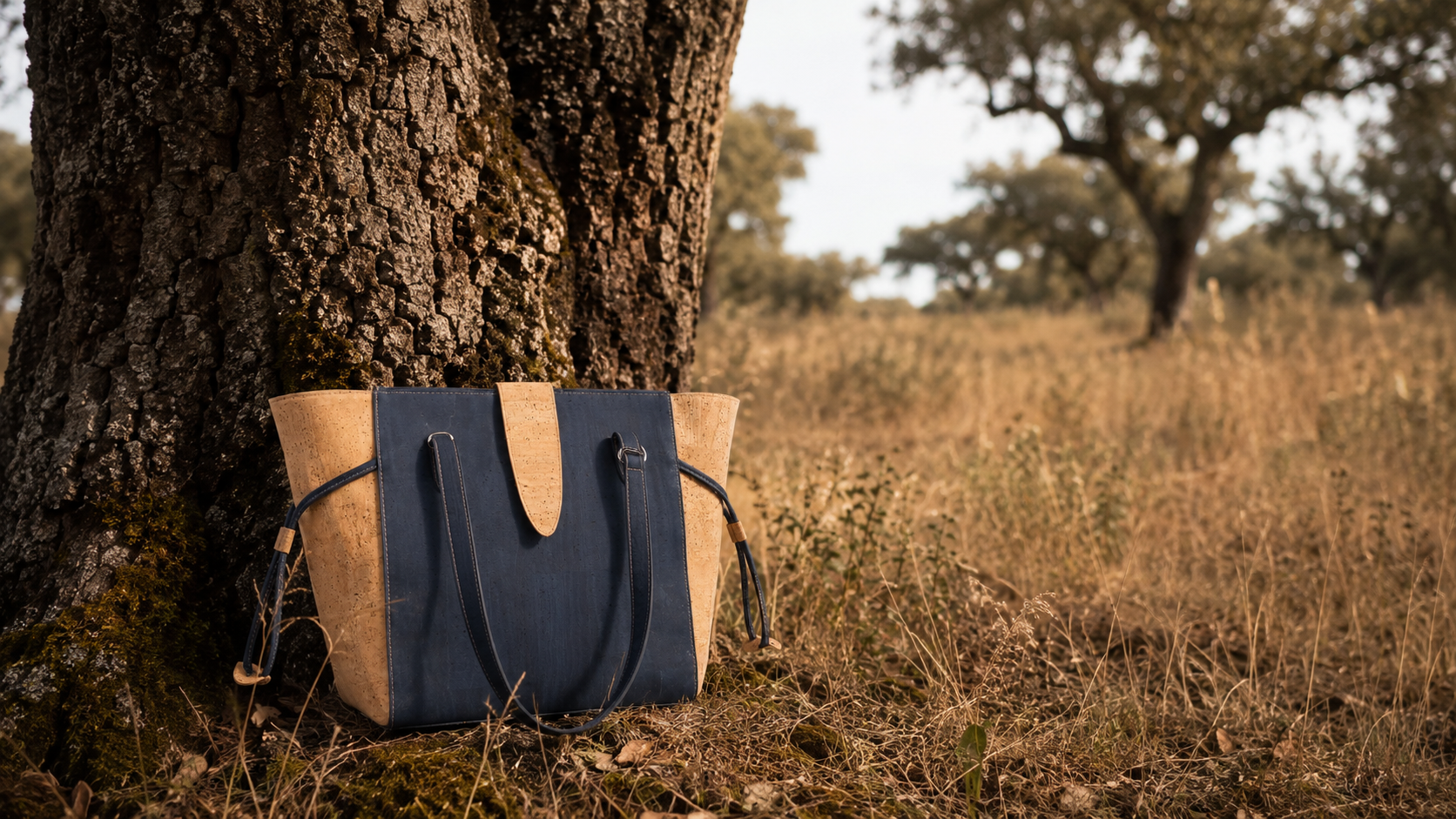
Every bag tells a story.
Some begin in a factory. Others start with a sketch or a new fashion trend.
A Portuguese cork bag begins somewhere very different: in the quiet cork oak forests of Portugal, where nature has shaped one of the world’s most remarkable materials for centuries.
Long before it becomes a handbag or wallet, cork follows a slow and carefully balanced journey. It grows naturally, is harvested by skilled professionals and is transformed through craftsmanship that respects both tradition and innovation.
Let’s follow that journey—from the forest to the finished accessory.
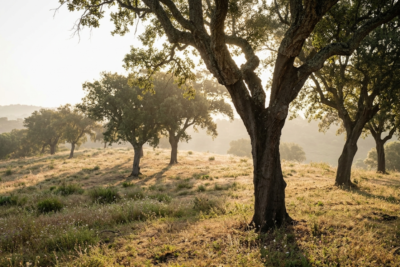
Every Portuguese cork bag begins its journey in the peaceful cork oak forests of Portugal, where nature and sustainability have coexisted for centuries.
Step 1: Growing in Portugal’s Cork Oak Forests
Every Portuguese cork bag begins in the montado, Portugal’s cork oak landscape.
These forests are among Europe’s richest ecosystems. They provide a habitat for wildlife, help prevent soil erosion and capture carbon dioxide while supporting rural communities that have cared for cork oak trees for generations.
Unlike many raw materials used in fashion, cork doesn’t require the tree to be cut down.
Instead, nature continues the cycle year after year.
Before the bark is ready, the tree grows for around 25 years.
Patience is part of the process.
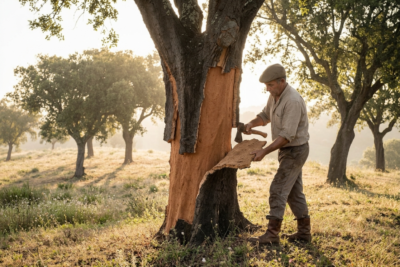
Cork harvesting is carried out entirely by hand, using traditional techniques that have been passed down through generations without harming the cork oak tree.
Step 2: Harvesting Cork by Hand
Summer marks the beginning of cork harvesting.
Between June and August, experienced harvesters carefully remove the outer bark using traditional tools and techniques that have changed very little over time.
Every cut demands precision.
Only the bark is removed, while the tree remains healthy and continues growing.
After harvesting, the tree naturally regenerates a new layer of cork, ready for the next harvest approximately nine years later.
This renewable cycle is one of the reasons cork is considered such a sustainable material.
If you’d like to learn more, read our article Cork Harvesting: How Portuguese Cork Is Harvested Without Harming the Tree.
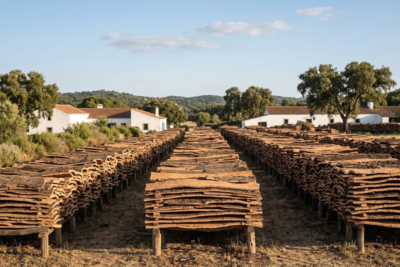
After harvesting, Portuguese cork rests outdoors for several months, allowing the material to stabilise naturally before it is transformed into premium accessories.
Step 3: Resting and Preparing the Cork
Freshly harvested cork cannot be used immediately.
First, the bark is stacked outdoors and left to rest for several months.
This traditional stage allows the cork to stabilise naturally before it undergoes further processing.
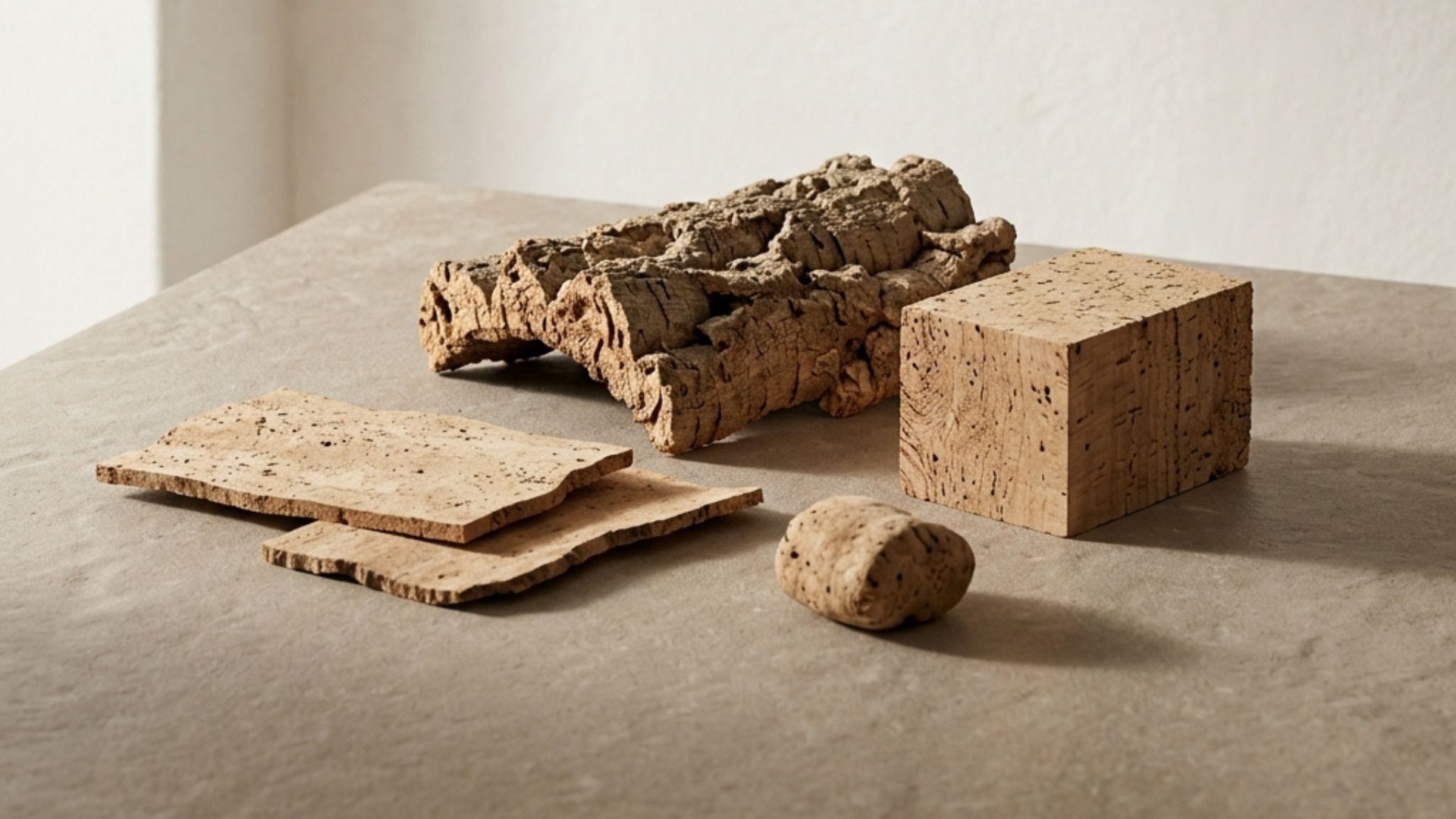
Next, it is carefully cleaned, flattened and prepared for manufacturing.
Throughout the process, great care is taken to preserve the material’s natural texture and unique grain.
No two sheets of cork are ever exactly alike.
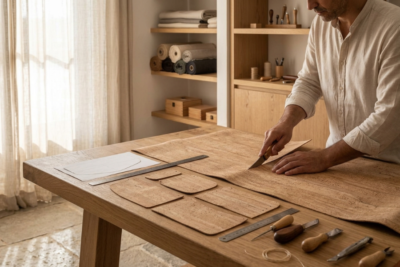
Every Portuguese cork bag begins with skilled craftsmanship, where natural cork is carefully cut and prepared by hand before becoming a timeless accessory.
Step 4: Transforming Nature into Design
Once the cork is ready, designers begin transforming it into beautiful, functional accessories.
Patterns are carefully cut to minimise waste, while every component is selected to complement the natural characteristics of the material.
At this stage, craftsmanship becomes just as important as design.
Every stitch, every detail and every finish contributes to creating an accessory that feels both contemporary and timeless.
The goal isn’t simply to make a bag.
It’s to create something that will be enjoyed for years.
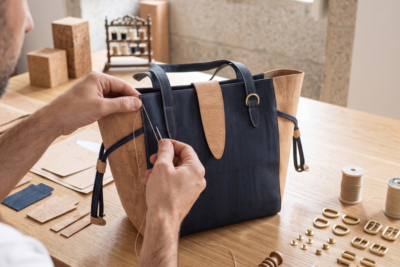
The final touches bring every Zolla cork bag to life, combining Portuguese craftsmanship, thoughtful design and the natural beauty of premium cork.
Step 5: Crafted for Everyday Life
A Portuguese cork bag combines elegance with practicality.
Cork is naturally lightweight, soft to the touch and water resistant, making it ideal for everyday use.
At the same time, its distinctive grain ensures that every piece has its own character.
Rather than hiding nature’s imperfections, designers celebrate them.
The result is an accessory that feels authentic because it truly is.
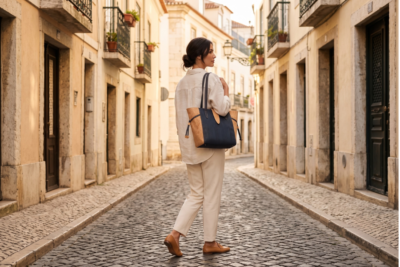
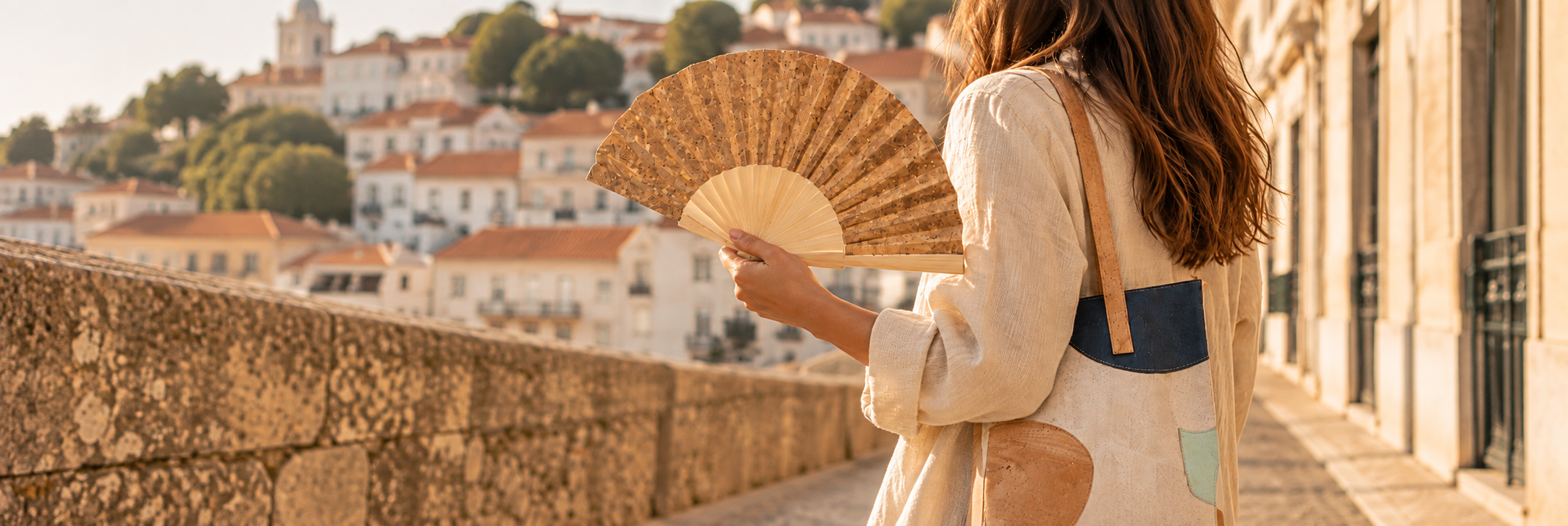
From Portugal’s cork oak forests to the streets of Lisbon, every Zolla cork bag begins a new journey with timeless design, exceptional craftsmanship and sustainable values.
Step 6: Ready for Its Next Journey
Once completed, every Portuguese cork bag begins a new story.
It travels from Portugal to customers around the world, carrying with it generations of craftsmanship and one of nature’s most sustainable materials.
Whether used for work, travel or everyday life, each bag becomes part of someone else’s journey.
Its story continues with every place it visits and every memory it helps create.
More Than a Fashion Accessory
A Portuguese cork bag represents much more than thoughtful design.
It reflects a different way of creating products.
Instead of relying on materials that exhaust natural resources, cork works with nature.
Every harvest protects the tree.
Every forest supports biodiversity.
Every artisan preserves knowledge that has been passed down through generations.
Choosing cork means supporting that entire story.
Did You Know?
- A cork oak must grow for around 25 years before its first harvest.
- The bark naturally regenerates after every harvest.
- Portugal produces more than 50% of the world’s cork.
- Some cork oak trees live for more than 200 years.
- Every cork pattern is naturally unique.
Why This Journey Matters at Zolla
At Zolla, every collection begins with respect—for nature, craftsmanship and thoughtful design.
We choose Portuguese cork not only because it is beautiful, but because it represents a more responsible way of creating accessories.
Every bag, wallet and accessory reflects the journey that began in Portugal’s cork oak forests.
When you carry a Zolla product, you also carry that story.
Frequently Asked Questions
Where does a Portuguese cork bag come from?
Every Portuguese cork bag begins in Portugal’s cork oak forests, where the bark is harvested without harming the tree.
Does harvesting cork damage the tree?
No. Skilled harvesters remove only the outer bark, allowing the tree to regenerate naturally.
Why is Portuguese cork considered special?
Portugal combines ideal growing conditions, centuries of expertise and the world’s highest-quality cork production.
Is every cork bag unique?
Yes. The natural grain of cork means every bag has its own distinctive texture and appearance.
Is cork a sustainable material?
Yes. Cork is renewable, recyclable and harvested without cutting down the tree.
Final Thoughts
A Portuguese cork bag is much more than a beautifully crafted accessory.
It represents a journey that begins in nature, continues through skilled craftsmanship and ends with a product designed to accompany everyday life.
At Zolla, we believe great design should always respect the material it begins with.
That is why every collection celebrates the beauty, sustainability and authenticity of Portuguese cork.
From forest to fashion, every journey starts with nature.