Blog
Why Portuguese Cork Is One of the World’s Most Sustainable Materials


A Natural Material with a Positive Impact
As consumers become more conscious of the environmental impact of their purchasing decisions, sustainable materials are no longer a niche topic—they are shaping the future of design, fashion and everyday living.
Among the many eco-friendly alternatives available today, Portuguese cork stands out as one of nature’s most remarkable resources. Renewable, biodegradable, lightweight and incredibly durable, cork has been used for centuries, yet its full potential is only now being recognised around the world.
At Zolla, cork is more than a material. It represents a commitment to thoughtful design, responsible craftsmanship and a more sustainable future.
What Is Cork?
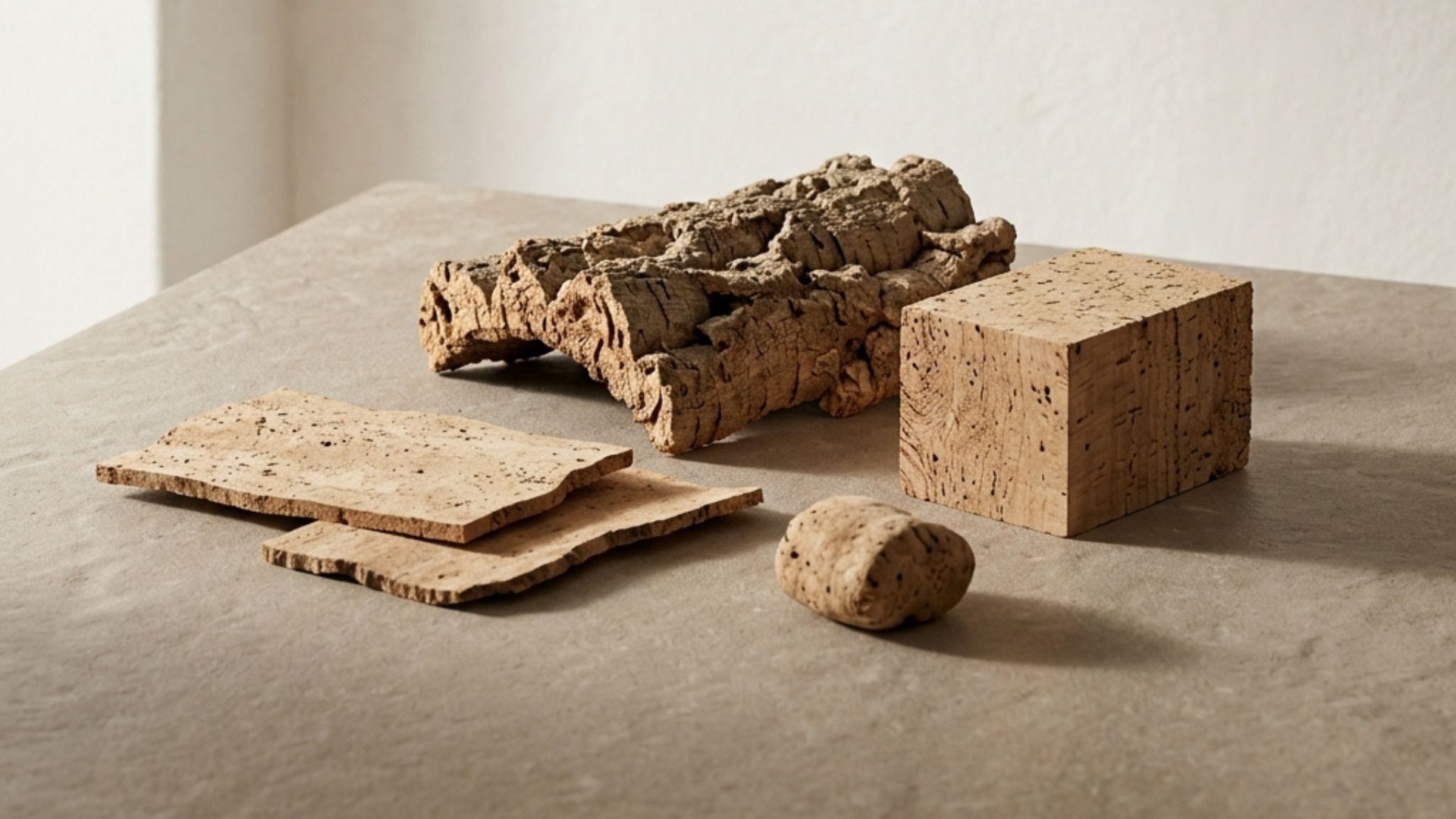
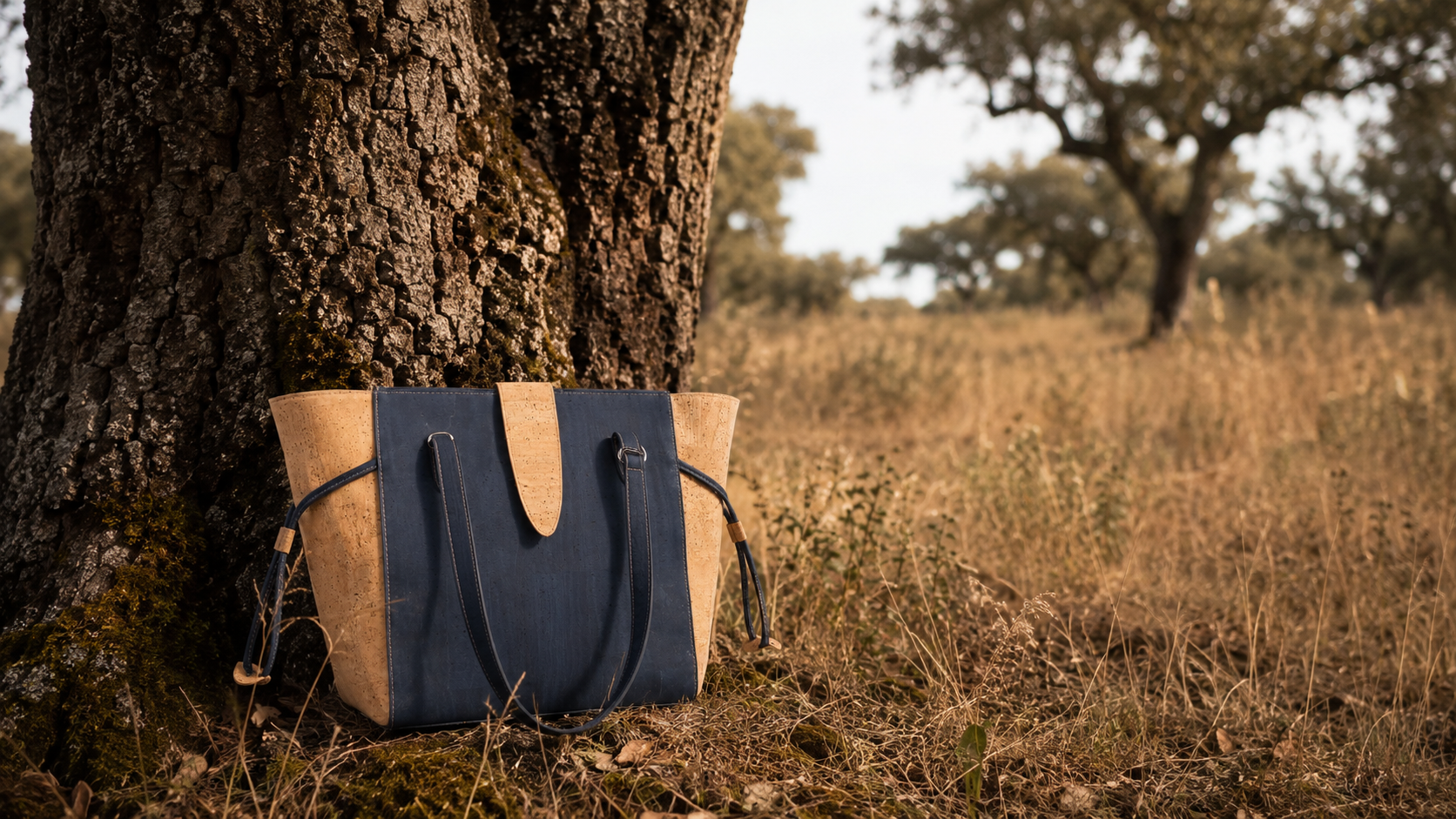
Cork is the outer bark of the cork oak tree (Quercus suber), a species native to the western Mediterranean region.
Unlike most natural resources, cork can be harvested without cutting down or damaging the tree. Skilled workers carefully remove the outer bark approximately every nine years, allowing the tree to regenerate naturally throughout its lifetime.
A healthy cork oak can continue producing cork for over 150 years, making it one of the few truly renewable raw materials used in modern manufacturing.
Why Portugal Leads the World
Portugal produces more cork than any other country, accounting for over half of the world’s cork production.
The country’s unique climate, extensive cork oak forests and centuries of expertise have made Portuguese cork internationally recognised for its exceptional quality.
These forests, known as montado, are not only economically important but also environmentally significant. They support rich biodiversity, protect soil from erosion and help absorb large amounts of carbon dioxide from the atmosphere.
Choosing products made from Portuguese cork means supporting both traditional craftsmanship and one of Europe’s most valuable natural ecosystems.
How Cork Is Harvested
One of cork’s greatest environmental advantages lies in the harvesting process.
Unlike timber production, harvesting cork does not require cutting down trees.
Instead:
- The bark is carefully removed by hand.
- The tree remains healthy and continues growing.
- The bark naturally regenerates.
- The process repeats approximately every nine years.
Interestingly, cork oak trees continue absorbing carbon dioxide after each harvest as they regenerate their bark, making managed cork forests an important ally in combating climate change.
Why Cork Is One of the Most Sustainable Materials
1. It Is Renewable
Because only the bark is removed, the cork oak remains alive for generations.
No deforestation is required.
2. It Is Naturally Biodegradable
Unlike many synthetic materials, cork eventually decomposes naturally without releasing harmful substances into the environment.
3. It Requires Very Little Processing
Cork can often be transformed into finished products using relatively low-energy manufacturing processes compared to many synthetic alternatives.
4. It Helps Protect Biodiversity
Cork oak forests provide habitat for numerous plant and animal species while preserving traditional landscapes across southern Europe.
Maintaining demand for cork helps ensure these forests remain economically valuable and environmentally protected.
5. It Is Exceptionally Durable
Sustainability is also about longevity.
A well-crafted cork accessory can last for many years, reducing the need for frequent replacement and helping minimise waste.
The Unique Benefits of Cork
Beyond its environmental credentials, cork offers practical advantages that make it ideal for everyday accessories.
Lightweight
Cork is significantly lighter than traditional leather, making bags and wallets comfortable to carry every day.
Water Resistant
Its natural cellular structure helps repel moisture, making cork suitable for a wide range of weather conditions.
Soft to the Touch
Although incredibly durable, cork has a pleasant, smooth texture that becomes even more attractive with regular use.
Flexible
Cork bends without cracking, allowing designers to create elegant and functional products.
Naturally Unique
No two pieces of cork share exactly the same pattern.
Every accessory carries its own distinctive natural grain, making each item one of a kind.
Cork vs Traditional Leather
For many people, choosing cork is not about replacing leather—it is about choosing a different philosophy.
Cork offers a natural, plant-based alternative that combines durability with environmental responsibility.
Unlike animal leather, cork does not rely on livestock farming and avoids many of the resource-intensive processes traditionally associated with leather production.
It also provides a modern aesthetic that reflects today’s growing appreciation for sustainable design and conscious consumption.
Why Sustainable Design Matters
Every purchase represents a choice.
By selecting products made from renewable materials, consumers encourage industries to invest in responsible manufacturing and environmentally friendly innovation.
Small choices, repeated by millions of people, have the power to shape markets and reduce environmental impact.
At Zolla, we believe beautiful products should never come at the expense of the planet.
Our collections celebrate Portuguese craftsmanship while embracing materials that respect nature and support a more sustainable future.
Looking Ahead
The demand for sustainable materials continues to grow as more people seek products that align with their values.
Portuguese cork demonstrates that sustainability, durability and elegance can coexist beautifully.
It is not simply an alternative material—it is a smarter way to design products for the future.
Whether you’re choosing your first cork accessory or looking to build a more sustainable lifestyle, cork offers a timeless solution inspired by nature itself.
Frequently Asked Questions
Is cork environmentally friendly?
Yes. Cork is harvested without cutting down the tree, is renewable, biodegradable and supports the preservation of cork oak forests.
Is cork waterproof?
Cork is naturally water resistant thanks to its cellular structure, making it an excellent material for everyday accessories.
Does cork last as long as leather?
High-quality cork is extremely durable and, with proper care, can remain beautiful for many years.
Is cork vegan?
Yes. Cork is a completely plant-based material and is widely recognised as a vegan alternative to animal leather.
Why is Portuguese cork considered the best?
Portugal combines ideal growing conditions, centuries of expertise and rigorous quality standards, making its cork the benchmark for excellence worldwide.
Discover Sustainable Design Inspired by Nature
At Zolla, every accessory begins with one extraordinary material: Portuguese cork.
Explore our collection of handcrafted bags, wallets and lifestyle accessories designed for people who value timeless design, responsible craftsmanship and a more sustainable way of living.