Blog
From Souvenir to Design Object: How Portuguese Products Are Changing

For generations, bringing home a souvenir has been part of the travel experience.
A small object, a familiar symbol, a reminder of a place visited.
But the way people choose souvenirs is changing.
Today’s travellers are often looking for something more than a decorative reminder of their trip. They want products that feel authentic, well designed and connected to the place they have visited — but that can also become part of their everyday lives.
This shift is creating new opportunities for Portuguese products.
Instead of thinking of the souvenir as something that simply represents Portugal, a new generation of products is turning Portuguese identity into contemporary design.
The souvenir is evolving
The traditional souvenir has an important role in tourism.
It preserves memories, represents destinations and gives visitors something tangible to take home. From postcards and magnets to decorative objects, souvenirs have long been part of the travel retail experience.
But today’s traveller has access to more choice than ever.
They can discover local brands before arriving, compare products online and research the story behind what they buy.
As a result, expectations are changing.
A souvenir can still be decorative, but it can also be functional, contemporary and thoughtfully designed.
The question is no longer simply:
“Does this remind me of Portugal?”
It can also be:
“Would I choose this even if I hadn’t bought it while travelling?”
That is an important difference.
From symbols to stories
Portugal has no shortage of recognisable symbols.
Azulejos, sardines, the Portuguese guitar, traditional ceramics, cork and many other elements are strongly associated with Portuguese culture.
These symbols can be powerful starting points for product design.
But contemporary Portuguese products do not necessarily need to reproduce them literally.
Instead, designers can take inspiration from Portuguese materials, traditions, colours, architecture and landscapes and reinterpret them in new ways.
The result can feel connected to Portugal without looking like a conventional souvenir.
This creates products that tell a story more subtly.
A material can communicate a place.
A technique can communicate craftsmanship.
A design detail can reference a tradition.
The connection does not always have to be obvious at first glance.
Design makes the difference
One of the most important changes in modern souvenir retail is the growing importance of design.
Travellers are increasingly exposed to international design standards. They can find carefully designed products in museums, airports, concept stores, independent boutiques and online marketplaces around the world.
This raises the expectations for destination retail.
A Portuguese product needs to do more than carry a Portuguese symbol.
It needs to be desirable as a product.
Good design can make the difference.
It can transform a traditional material into a contemporary accessory, turn a cultural reference into a functional object or reinterpret something familiar in a completely new way.
The connection to Portugal becomes part of the product rather than the entire product.
Functionality gives a souvenir a longer life
A decorative souvenir may remind someone of a trip.
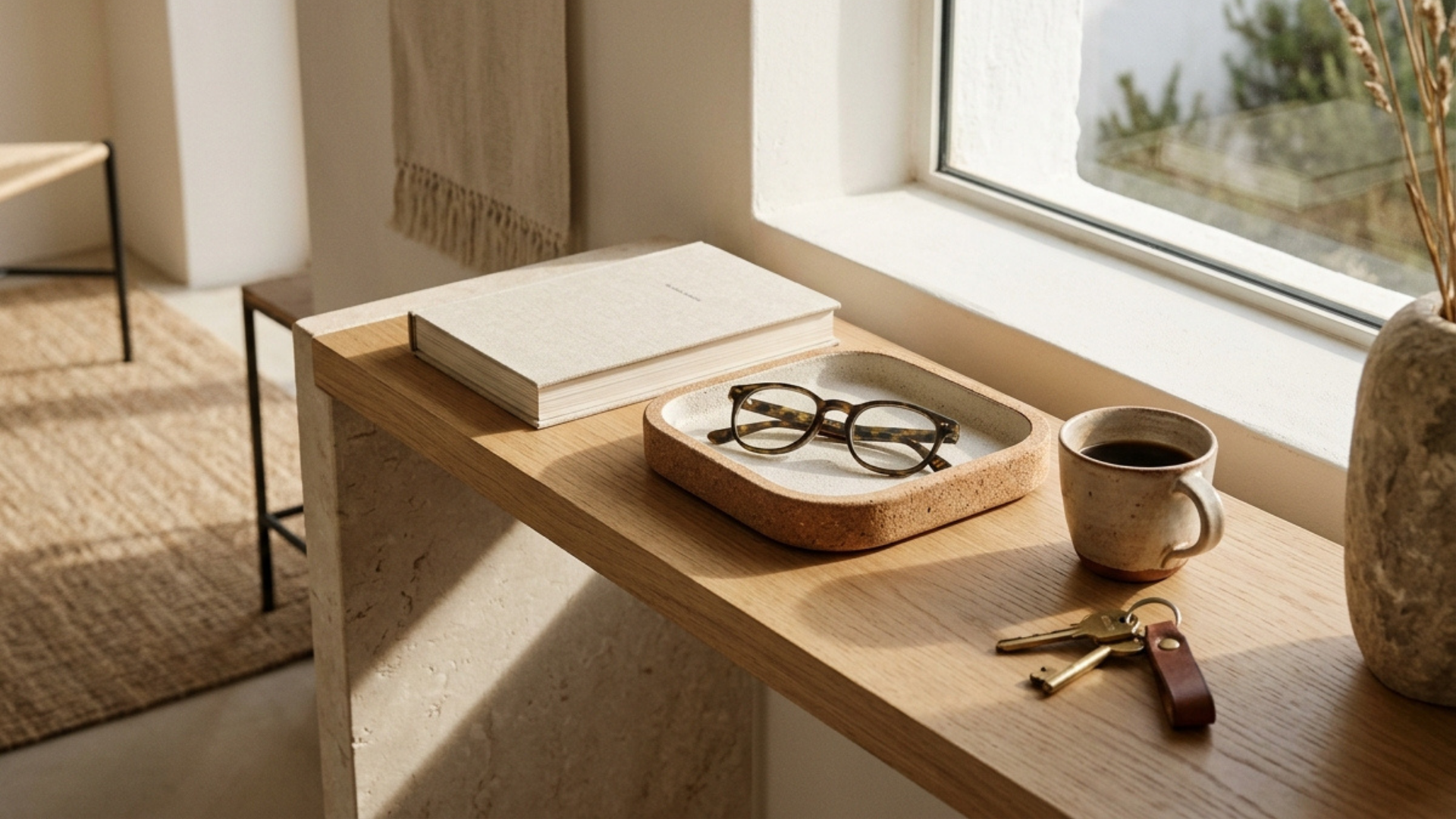
A functional product can become part of their daily life.
This distinction is increasingly important.
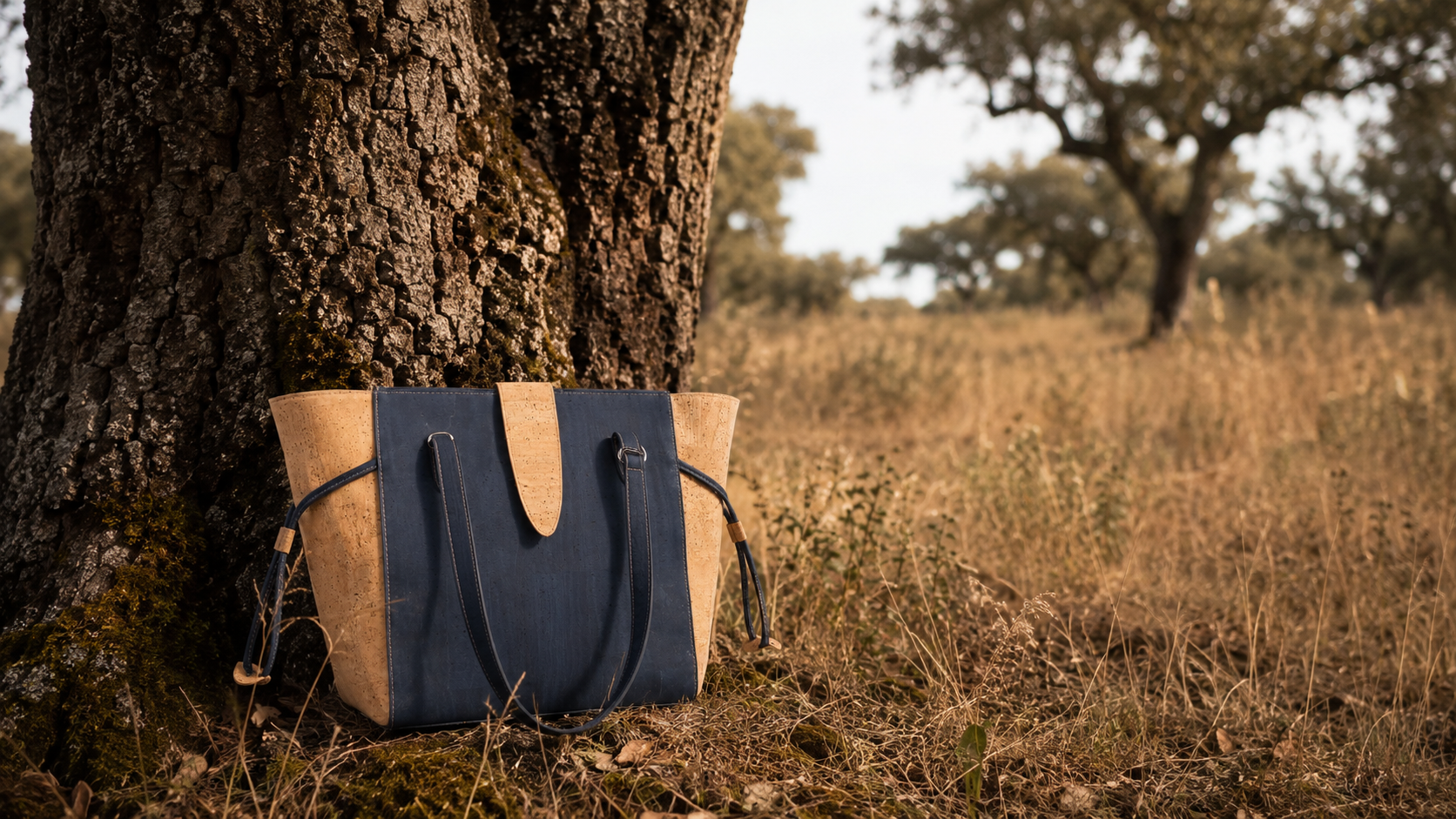
A bag can be used for years.
A wallet can travel with its owner.
A notebook can become part of someone’s work routine.
An accessory can become part of an everyday wardrobe.
When a souvenir becomes something useful, its relationship with the customer changes.
It is no longer simply an object associated with a past holiday.
It becomes part of the customer’s present.
For retailers, this also creates an opportunity to move beyond the traditional souvenir category and offer products that appeal to both tourists and local customers.
Authentic materials create a stronger connection
A product does not need to be covered in Portuguese symbols to feel Portuguese.
Sometimes, the material itself tells the story.
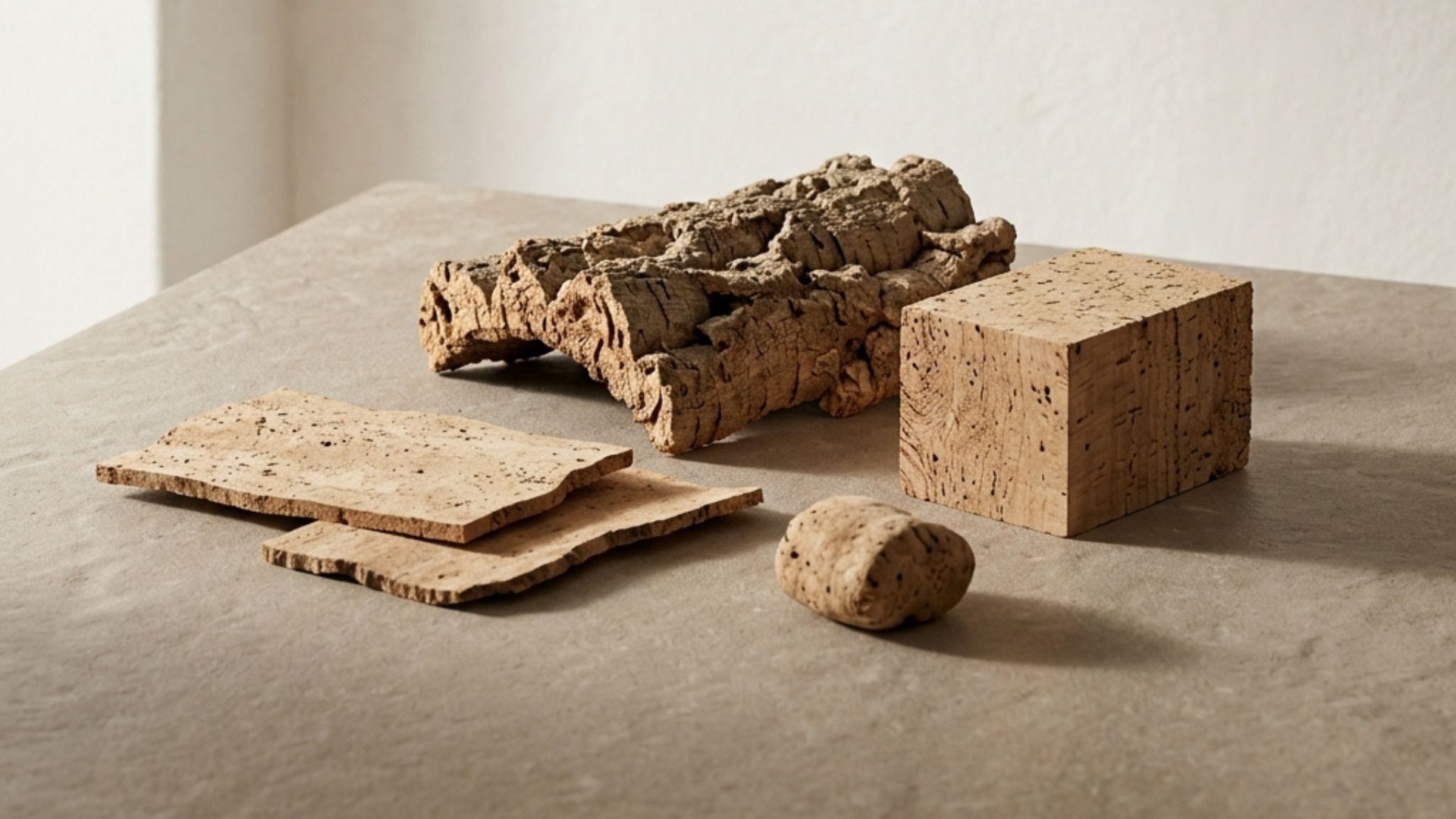
Portugal has a long tradition of working with natural and locally significant materials. Cork is one of the clearest examples.
The cork oak is deeply connected to the Portuguese landscape, while cork harvesting represents a long-standing relationship between people, nature and craftsmanship.
When cork is transformed into a contemporary product, its Portuguese identity does not disappear.
It simply takes a different form.
Instead of reproducing a traditional object, designers can use the material itself as a connection to place.
This approach allows Portuguese identity to become more subtle, contemporary and versatile.
The new souvenir is about experience
Travel is increasingly about experiences.
People visit places to discover food, architecture, landscapes, traditions, design and local culture.
The products they take home can extend that experience.
A well-designed Portuguese product can remind someone not only of where they travelled, but also of what they discovered there.
The material they touched.
The story they heard.
The place they visited.
The person who explained the product to them.
The moment when they decided to take it home.
This is why the story behind a product matters.
The product becomes a physical reminder of an experience rather than simply a representation of a destination.
Why this matters for retailers
This evolution also changes the opportunity for retailers.
Tourist stores, museum shops, concept stores, airport retailers and independent boutiques can curate products that sit between souvenir, gift and design object.
This creates a broader potential customer base.
A tourist may buy a product because it reminds them of Portugal.
A design-conscious customer may choose it because they appreciate the aesthetics.
Another customer may simply like the product and discover its Portuguese story afterwards.
The strongest products can appeal to all three.
For retailers, this can make a product range more versatile and less dependent on traditional souvenir shopping.
Portuguese products can be contemporary without losing their identity
There is sometimes a false choice between tradition and modernity.
A product can be inspired by Portuguese heritage without looking traditional.
It can use a material with centuries of history and still have a contemporary design.
It can tell a local story while appealing to an international customer.
In fact, this balance can be one of the greatest strengths of Portuguese design.
The objective is not necessarily to preserve tradition exactly as it has always been.
It can also be about interpreting it for a new generation.
From Portugal to the world
The evolution of Portuguese souvenir design reflects a broader opportunity.
Products connected to Portugal do not have to remain within the traditional souvenir category.
They can compete in fashion, lifestyle, gifting and design retail while retaining their connection to the country.
This is particularly relevant for international retailers looking for products with a clear identity.
A product with a strong sense of place can add character to a carefully curated assortment.
And when that sense of place is combined with good design and everyday functionality, it becomes much more than a souvenir.
Artelusa: Portuguese cork, reinterpreted
At Artelusa, this idea is at the heart of what we do.
Cork is one of Portugal’s most distinctive natural materials, with a story that begins in the cork oak forests and continues through generations of knowledge and craftsmanship.
Our approach is to bring this material into contemporary products designed for modern everyday life.
The result is not simply a souvenir made from cork.
It is a product that can be used, worn and appreciated long after the journey home.
Because the best reminder of a place is not necessarily something that sits on a shelf.
Sometimes, it is something that becomes part of your life.
The souvenir is changing. And Portuguese design is changing with it.